Just-in-case vs. Just-in-time or just-enough training
Just-in-time or just-enough training approaches focus on providing individuals with the specific knowledge and skills they need immediately before they are required, minimizing unnecessary learning and ensuring efficient preparation. It is commonly used contexts where tasks are predictable and can be taught as needed.
Just-in-case training prepares individuals for scenarios that may never occur but are critical to be ready for. This approach ensures readiness for unpredictable, high-stakes situations, emphasizing preparedness for emergencies or rare events that demand immediate, effective responses.
The importance of just-in-case training for military personnel
Just-in-case training is designed to prepare individuals and teams for high-risk, unpredictable situations that may arise without warning, such as combat or emergency scenarios. Its primary focus is on readiness for tasks that are infrequent but critical to survival and mission success. It ensures that military personnel can respond effectively under extreme stress or dangerous circumstances, even if they hope or expect never to face such situations.
Unlike civilian roles, where just-in-time or just-enough training can suffice for routine tasks, military personnel must be prepared for rare but high-stakes events. Just-in-case training ensures that soldiers can maintain composure, make quick decisions, and act effectively even in unforeseen or chaotic situations, which is vital for the success of military missions and the protection of lives.
Advantages of Just-in-Case training for military forces:
- Preparedness for Emergencies: It equips personnel to handle worst-case scenarios that might occur unexpectedly, ensuring they are not caught off-guard.
- Increased Confidence: Training for various possible situations boosts confidence and reduces fear during actual emergencies, leading to better performance under pressure.
- Survival and Mission Success: It improves the chances of survival in life-threatening situations and enhances the likelihood of mission success during combat.
- Team Coordination: It fosters collective readiness, ensuring that teams can work together seamlessly in unpredictable situations.
- Deterrence: Well-trained forces can act as a deterrent to adversaries, knowing that the opposing force is fully prepared for any scenario.
- Reduces Response Time: By having practiced responses for numerous contingencies, personnel can act quickly without hesitation in real-life situations.
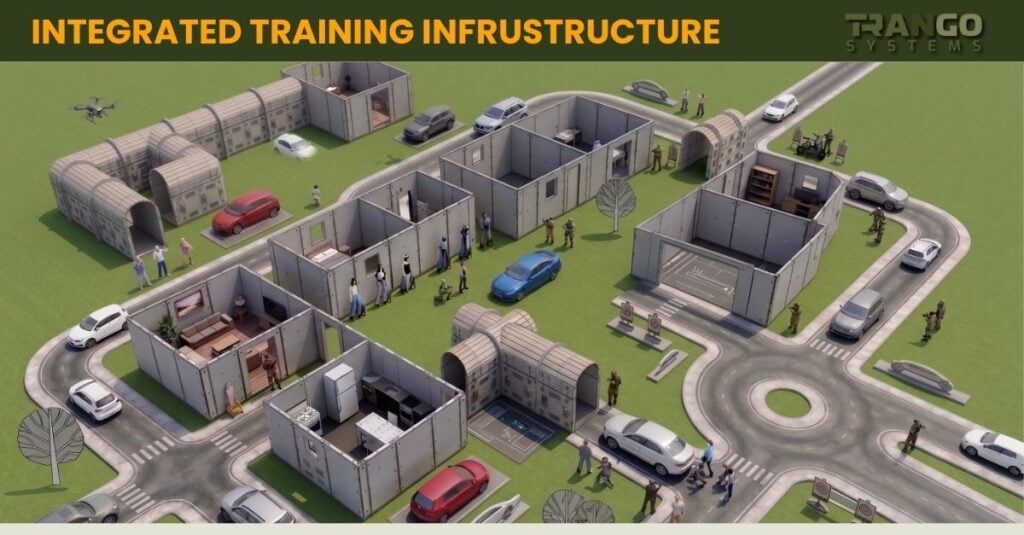
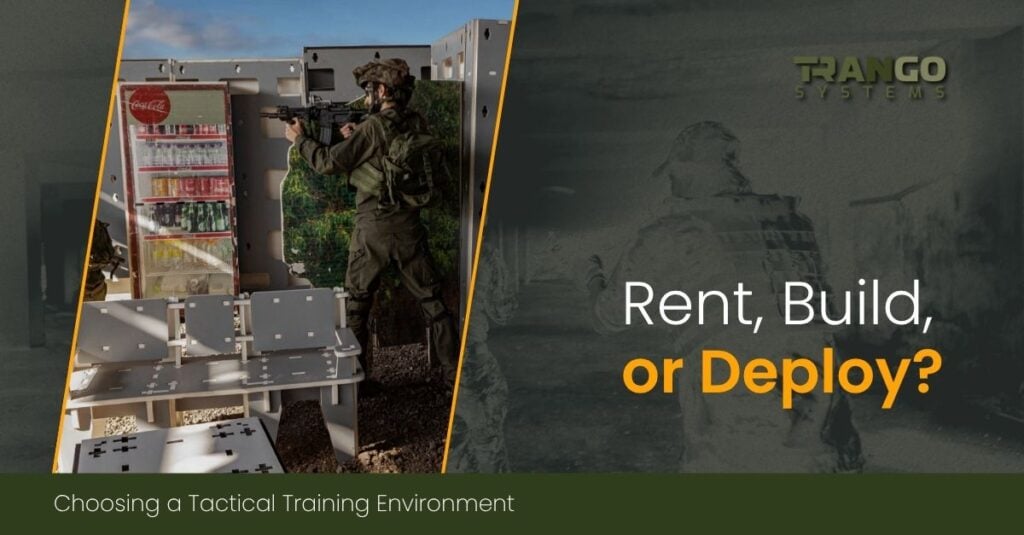
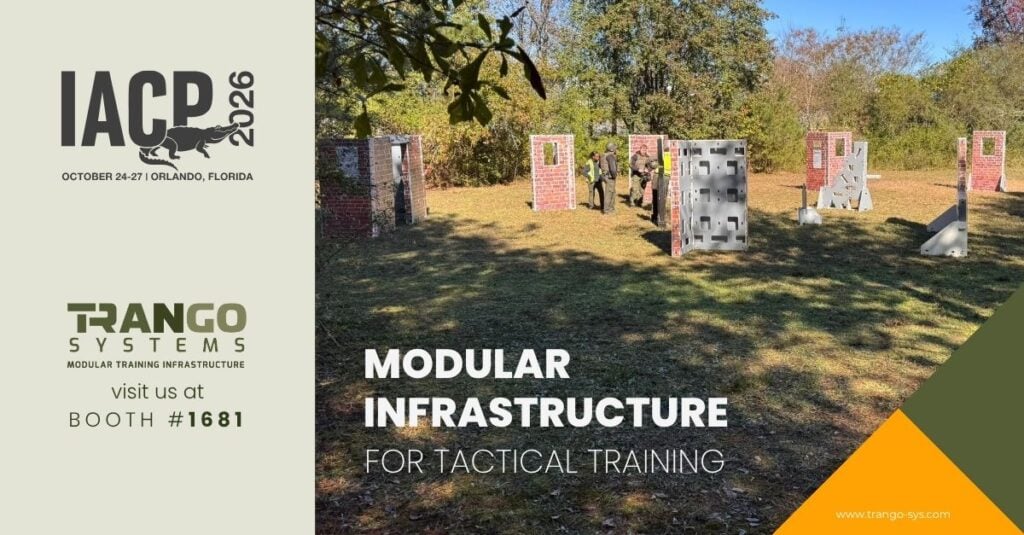
Trango Systems’ modular customizable training infrastructure provides the ultimate foundation for just-in-case training, enabling fast construction of various training environments that accurately mimic possible true-life scenes and situations. The solutions offered by Trango Systems are adaptable for different combat scenarios and are easily adjustable and scalable.