This article on drone navigation training is part of our series on the possible applications of a modular training environment.
Modular CQB environments can support drone navigation and scene-recognition training across rooms, streets and tunnels. Doorways, furniture, vehicles and passage junctions create different camera views, while recognition boards provide defined visual subjects. In this way, the same exercise can connect exterior recognition, indoor observation and enclosed-route reporting within one configurable environment.
Application at a glance
| Primary modular setting | Shoot House, SWAT Street Training Environment and Modular Tunnel System |
|---|---|
| Typical Trango scene elements | 6-Forces Scenario Target Set; furniture; Friend & Foe targets; vehicles; barricades |
| Specialist items supplied separately | Drone, camera and operator |
Trango environments support drone operations training across these environments. Here, recognition means identifying ground scene elements from the drone’s viewpoint. A camera-based exercise can connect exterior scene recognition with an indoor observation task and a report from an enclosed route. Exercises like these can complement objective proficiency tests such as the NIST standard test methods for small unmanned aircraft systems.
Navigating and observing furnished rooms
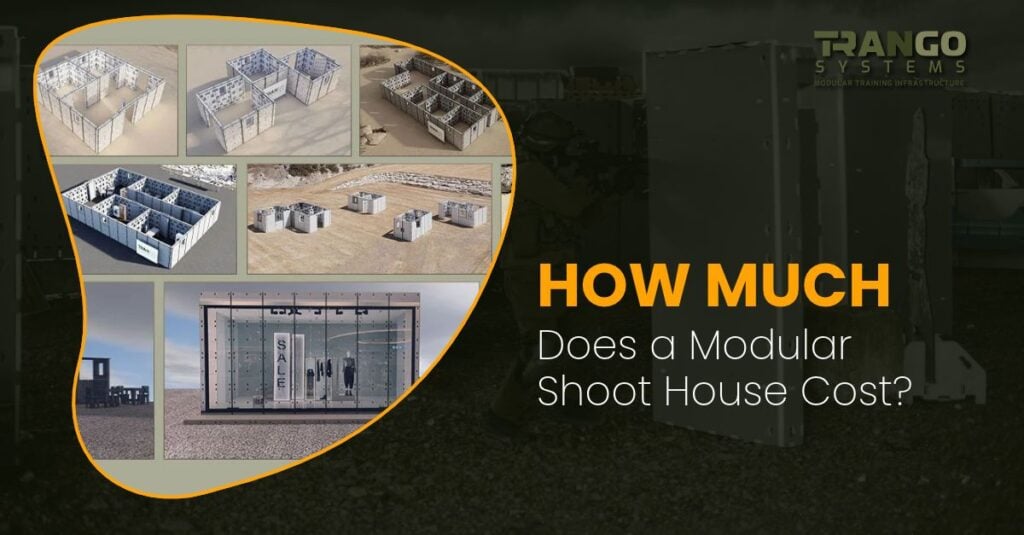
A shoot house presents a sequence of rooms connected by openings. As a result, the camera view changes at each doorway. For example, a corridor can expose one room while keeping another out of sight. Furniture gives the operator recognizable objects against which to describe the location of a target.
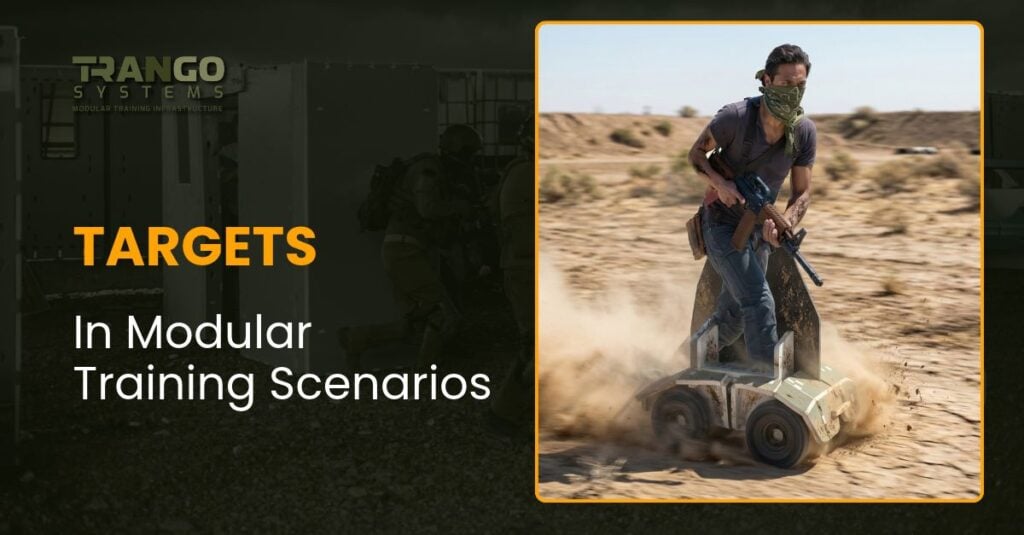
In addition, physical furniture adds obstacles and partial obstructions. Printed furniture, by contrast, adds visual context. Friend & Foe targets can represent occupants for an observation task, while the room arrangement determines when each figure appears in the camera view.
Suggested scenario: a drone observes a furnished residence and reports which rooms contain represented people. The operator describes the figures relative to a desk, living room furniture and doorways. Then, a second version changes the contents of the rooms while retaining their connections, making the report depend on the current images.
Recognition in streets and open areas
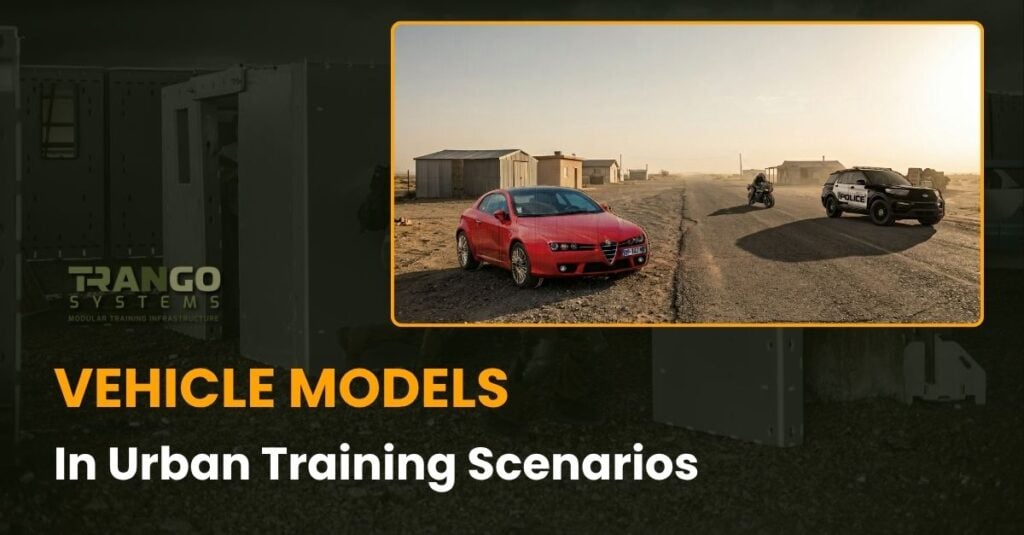
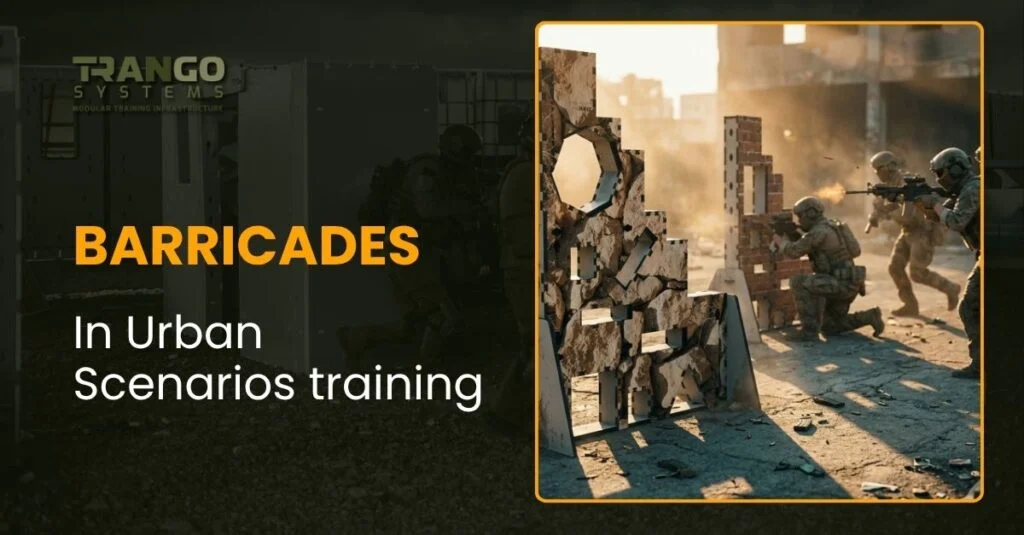
In drone navigation training, a street environment gives the drone a wider scene with building fronts, corners and outdoor objects. Similarly, vehicle models provide large reference points. Barricades and outdoor furniture interrupt the view and distinguish a yard from an otherwise empty lane.
Trango’s 6-Forces Scenario Target Set supplies scene boards intended for UAS recognition training. In this way, those boards give the operator specific visual subjects within the surrounding environment. They can form an observation exercise on their own or contribute to a scene involving vehicles and structures.
Suggested scenario: several boards appear around a modular street and nearby open area. The operator identifies the visible scenes and reports their positions relative to a vehicle model and building entrance. Afterwards, a ground participant receives the descriptions and compares them with the actual arrangement. The exercise can compare what the operator recognized with the scene elements visible to the ground participant at that location.

New: Trango DTI custom kits
Modular infrastructure built for drone navigation training
Trango DTI kits combine modular rooms, doorways and tunnel sections into reconfigurable courses for drone navigation and observation training, in Basic, Advanced and Expert configurations.
Drone navigation training in confined routes and mixed environments
Modular tunnels introduce corners and branching passages. However, similar-looking surfaces give the camera fewer distinct references than a furnished room. A connection between the tunnel and shoot house adds a change from enclosed route navigation to interior observation.

Suggested scenario: the drone observes a room, examines a connected passage and reports an object near a junction. The exercise narrative can concern a simulated missing person or inspection request. Meanwhile, a ground team receives the operator’s report and works with the same geography from another location.
A further scenario could link exterior recognition with an indoor observation task. The drone first identifies a scene board near a vehicle and then observes the associated building setting, within the aircraft’s operating capabilities.
Overall, these arrangements let the physical scene change while the subject remains camera-based interpretation. Trango supplies the configurable spaces and recognition assets; the aircraft, camera and operator supply the remote viewpoint through which the exercise is conducted.
Frequently asked questions about drone navigation training
-
What can an operator practice in drone navigation training?
The supplied scenarios include navigation through rooms or passages, scene recognition and location reporting from a camera feed.
-
What provides the recognition task?
Trango’s 6-Forces Scenario Target Set provides scene boards intended for UAS recognition training.
-
Can one drone exercise connect streets, rooms and tunnels?
Yes, within the aircraft’s operating capabilities. A scenario can move from exterior recognition to interior observation and an enclosed route.