Why Barricades Still Matter
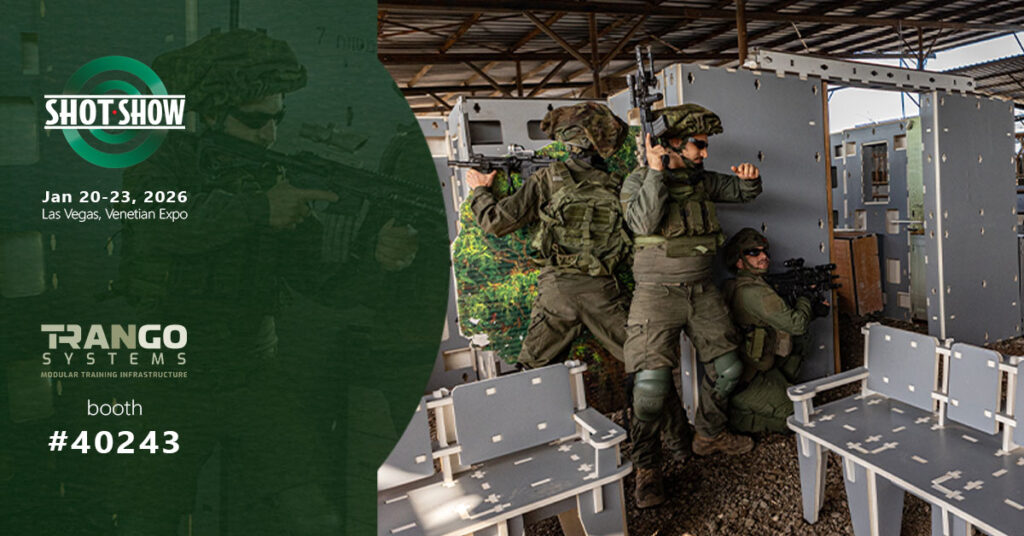
Barricades are more than wooden props on the training floor. They are the bridge between classroom drills and real-world complexity. Instructors know that without physical obstacles, marksmanship and tactical decision-making risk becoming one-dimensional. Barricades force adaptation, making training unpredictable—and closer to the environments professionals actually face. Read more about combat training with barricades here.

Beyond “Hide and Shoot”
Traditional barricade drills often stop at cover and exposure. But modern training demands more:
-
Angles and Vision: Barricades shape fields of fire, forcing trainees to problem-solve under pressure.
-
Mobility Under Stress: Shifting from one barricade to another teaches fluidity, not just accuracy.
-
Decision Points: Every obstacle becomes a choice—when to move, when to engage, and when to wait.
This isn’t about hiding. It’s about thinking on your feet. For a deeper dive into these fundamentals, see training with barricades.
Modular Barricades = Scalable Scenarios
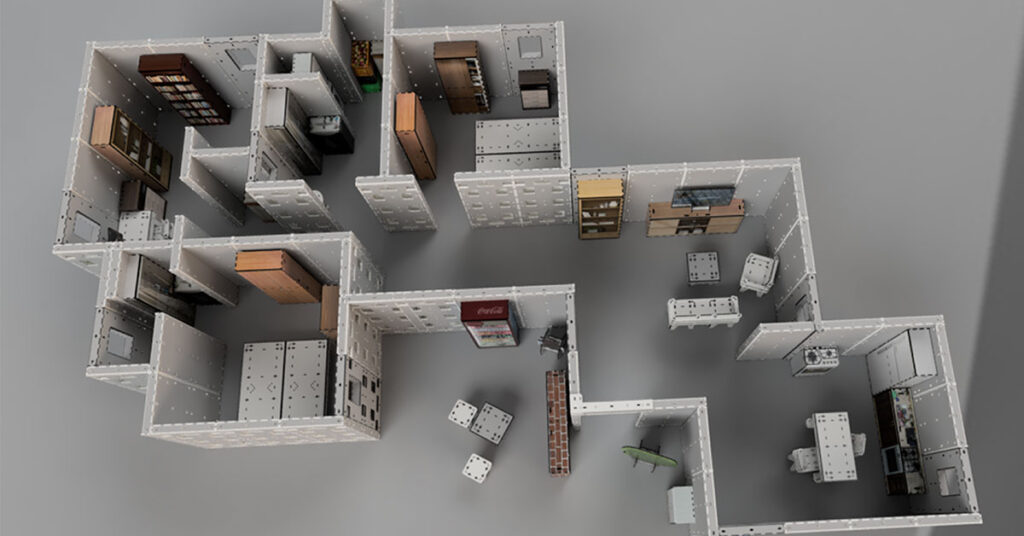
Static barricades are yesterday’s news. Modular barricade systems let trainers reconfigure layouts in minutes:
-
Compact setups for CQB training.
-
Extended corridors for room-clearing exercises.
-
Complex multi-angle scenarios that mimic urban or field operations.
This flexibility means no two sessions have to look alike, keeping both trainees sharp and instructors creative.
Realism Drives Retention
The closer training feels to reality, the better it sticks. Pairing barricades with contextual environments—stairways, door frames, vehicle mock-ups—creates muscle memory that translates to the field. When stress rises, trainees fall back on practiced responses, not theoretical checklists. For example, see how realistic models improve marksmanship in CQB environments.
Keep It Practical
At the end of the day, barricades offer:
-
Efficient training setups that adapt to different missions.
-
Higher engagement—scenarios stay fresh and challenging.
-
A direct ROI: better skills in less time, fewer wasted reps.
For organizations balancing limited training hours with high performance expectations, barricades are a cost-effective upgrade to readiness.