Police training has evolved dramatically from traditional classroom lectures and static shooting ranges. Today’s law enforcement agencies demand immersive, realistic training environments that prepare officers for the complex challenges they face on duty. Advanced training technologies and methodologies now bridge the gap between theoretical knowledge and practical application, ensuring officers develop critical decision-making skills under pressure.
The Critical Need for Enhanced Police Training
Law enforcement officers encounter unpredictable situations daily. Traditional training methods alone cannot adequately prepare them for these high-stakes encounters. Research demonstrates that officers who participate in scenario-based training report improved judgment during critical incidents, enhanced communication skills, and greater confidence under pressure. Moreover, immersive training helps develop muscle memory, allowing officers to navigate tense encounters with skill and focus on de-escalation techniques.
Modern police training must address several key areas.
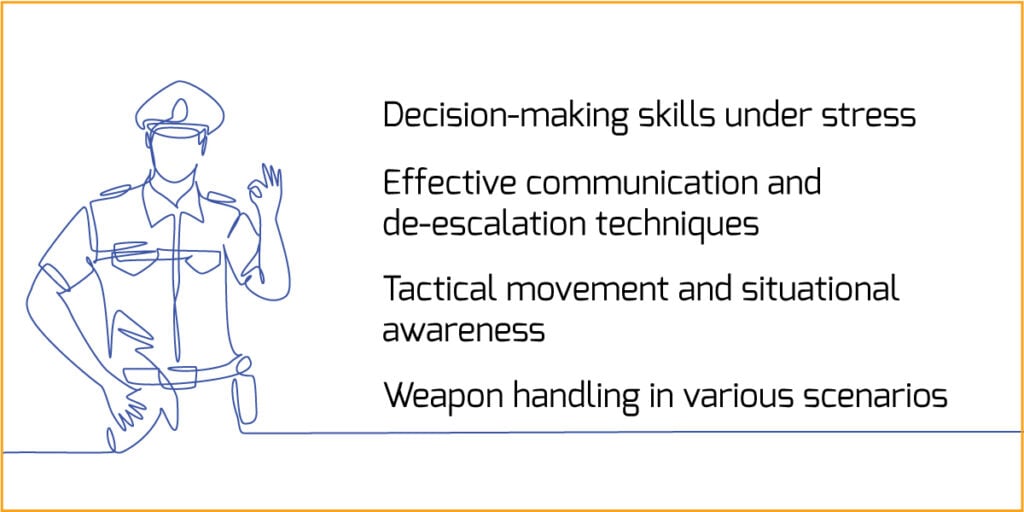
Scenario-Based Training: Building Real-World Skills
Scenario-based training (SBT) places officers in dynamic situations that simulate the stress and uncertainty of daily duties. Unlike classroom-based learning, SBT provides hands-on experience in managing real-world decisions without liability concerns. Officers receive immediate feedback from instructors, promoting more decisive and balanced actions in the field.
Benefits of Realistic Training Environments
Effective police training requires practical specificity. Training facilities must closely reflect environments where officers later operate. Shooting at paper targets that remain stationary provides limited value for improving decision-making in realistic urban environments where officers react to moving threats and changing conditions.
Modular training systems address this challenge effectively. Trango Systems creates adaptable environments that allow departments to quickly modify structures, mimicking complex operational conditions. These systems enable realistic training that improves skill levels, survivability, and operational effectiveness.
The hierarchy of competence becomes crucial in police training. Officers progress from unconscious incompetence through conscious incompetence and conscious competence to reach unconscious competence. At this final stage, skills become autonomous, allowing officers to access important cognitive levels for improved problem-solving and communication.
Modular Training Environments are Advancing Police Training
Advanced modular training systems revolutionize how police departments approach tactical preparation. These systems offer several advantages over traditional fixed facilities.
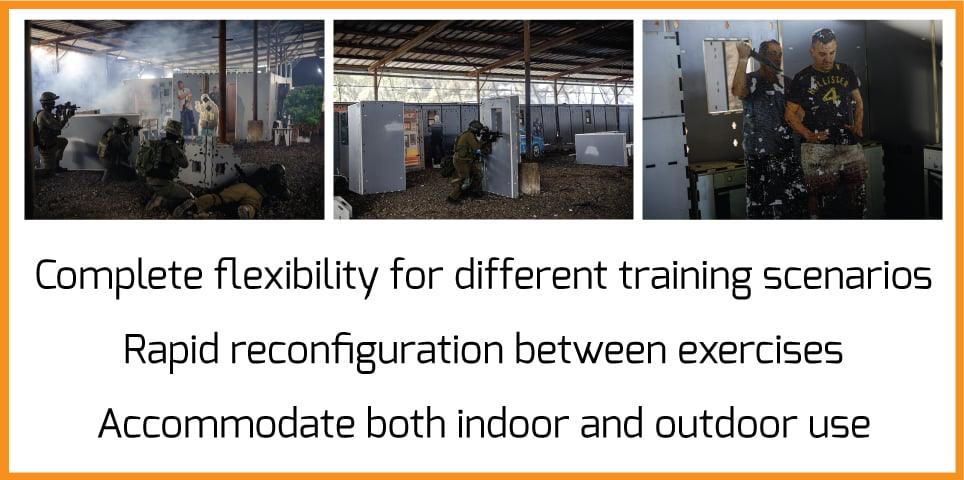
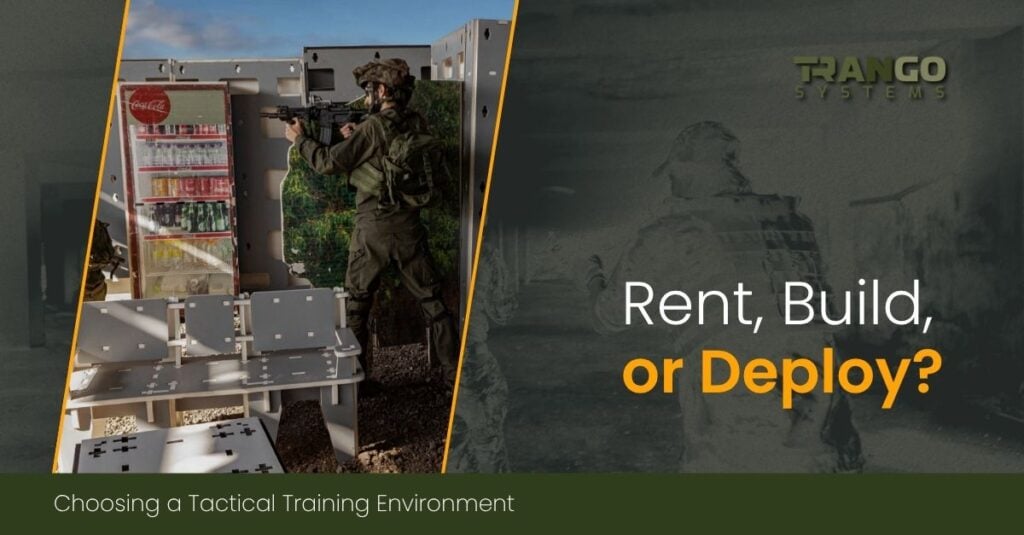
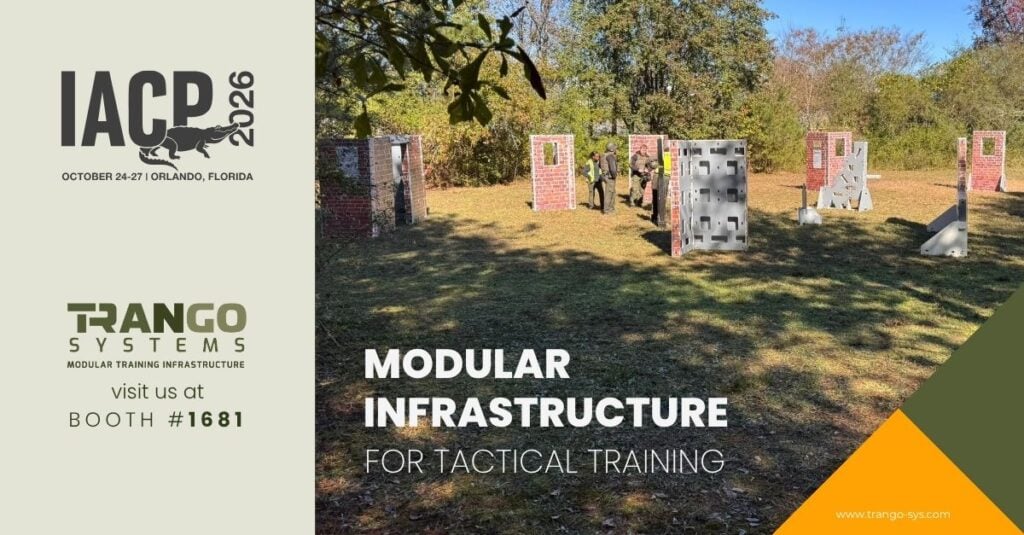
Trango Systems exemplifies this innovation with their modular Close Quarters Battle (CQB) training infrastructure. Their systems feature walls, windows, doors, and barricades that create realistic urban environments. Furthermore, these components withstand extreme weather conditions and sustain over 12,000 hits from 5.56mm ammunition. Special patented material ensures ricochet-free training while maintaining exceptional durability. Additionally, the lightweight design allows easy transportation and setup between different training locations.
Moving Target Systems
Static targets limit training effectiveness because real threats move unpredictably. Moving target systems address this limitation by introducing dynamic elements into training scenarios. The LIAM Moving Target system represents cutting-edge advancement in this area.
This remotely operated system maneuvers across diverse terrains and supports both 2D and 3D targets. Officers can control movement, speed, and positioning from distances up to 400 meters. Consequently, trainers create diverse engagement scenarios from close-quarters drills to long-range exercises.
The system enhances reaction time, accuracy, and adaptability – key components in modern law enforcement operations. Unlike traditional moving targets that follow predetermined paths, advanced systems move unpredictably in any direction, closely mimicking realistic threat behavior.
Force-on-Force Training Implementation
Force-on-force training uses role players and specialized equipment to engage learners in realistic scenarios. This training type elicits fear and stress that officers encounter in real-world situations. It incorporates specially designed firearms, computer simulations, empty hand techniques, and padded protective equipment.
Properly designed force-on-force training helps officers prioritize actions during stressful encounters. Beyond obvious benefits of practicing decision-making under stress, this training offers additional advantages that departments often overlook.
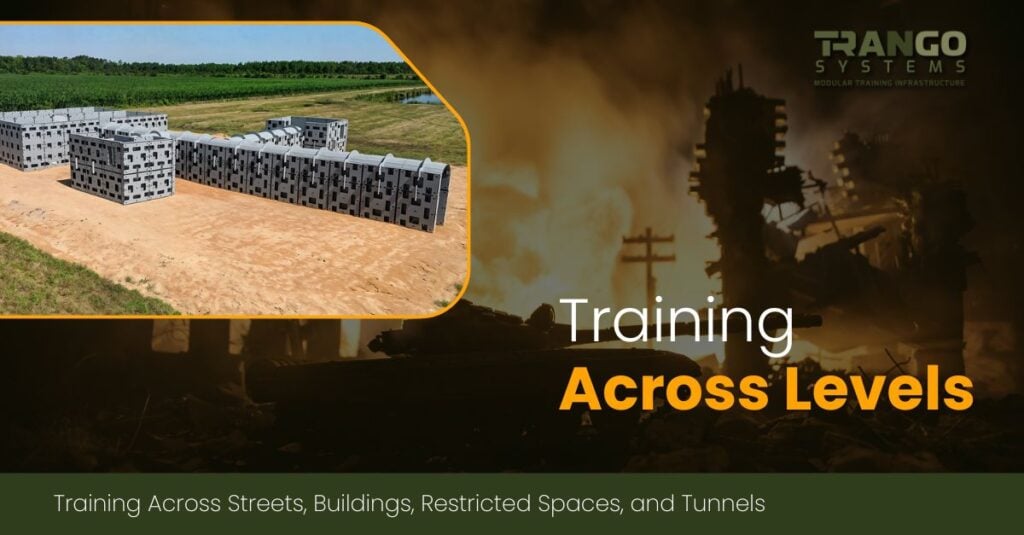
Training venues present ongoing challenges for many departments. Limited suitable facilities restrict realistic training opportunities. However, modular training systems transform any space into legitimate training venues that reconfigure within minutes. Various jurisdictions utilize these systems in warehouses, police buildings, academies, and outdoor ranges.
Implementation Considerations for Police Departments
Successful police training programs require careful planning and investment. Departments must consider several factors when upgrading their training capabilities. Budget constraints often limit options, but modular systems offer cost-effective solutions. These systems allow departments to expand gradually over time, spreading expenditure across multiple budget cycles.
Space limitations challenge many departments. Traditional fixed facilities require significant real estate and construction costs. Conversely, modular systems adapt to existing spaces and provide maximum flexibility for simultaneous training activities.
Safety remains paramount in any training program. Advanced materials eliminate ricochet concerns while maintaining realistic training conditions. This safety enhancement allows departments to conduct live-fire exercises in previously unsuitable locations.
Future Directions in Police Training
The future of police training emphasizes increased realism and technological integration. Virtual and augmented reality systems will complement physical training environments. Artificial intelligence will analyze officer performance and provide personalized feedback. Additionally, data analytics will identify training gaps and optimize program effectiveness.
Interagency cooperation will drive standardization of training protocols. Shared facilities and resources will make advanced training more accessible to smaller departments. Furthermore, continuous curriculum updates will address evolving threats and tactics.
Modern police training demands sophisticated approaches that prepare officers for real-world challenges. Scenario-based training, modular environments, and moving target systems create immersive experiences that develop critical skills. Companies like Trango Systems lead innovation in this field, providing solutions that enhance officer safety and operational effectiveness.
Departments investing in advanced training technologies will better serve their communities while protecting their personnel. The evolution from static training methods to dynamic, realistic environments represents a crucial advancement in law enforcement preparation. As threats continue evolving, police training must adapt accordingly, ensuring officers remain prepared for whatever challenges they may face.